Why we can all be doing anti-racist work, no matter our job titles.
I’ve always been someone who stays in a state of reflection…some might call it over-thinking. Regardless, I am always trying to find ways to better myself and live in my purpose God has called on my life. Recently, with the state of America and the horrific violence on Black bodies, specifically Ahmaud Arbery, Breonna Taylor, and George Floyd — I found myself in a weird place. Previously, when these issues have occurred (even though they are always occurring) I’ve occupied jobs that are directly tied to social justice. This time around, I’m working as a Retail Customer Service Representative…doesn’t sound very “social justice-y”. Surprisingly, I found myself with the time to be more vocal on social media, with coworkers, and friends in ways that I haven’t been able to since college. As a result, I started to question my belief around titles.
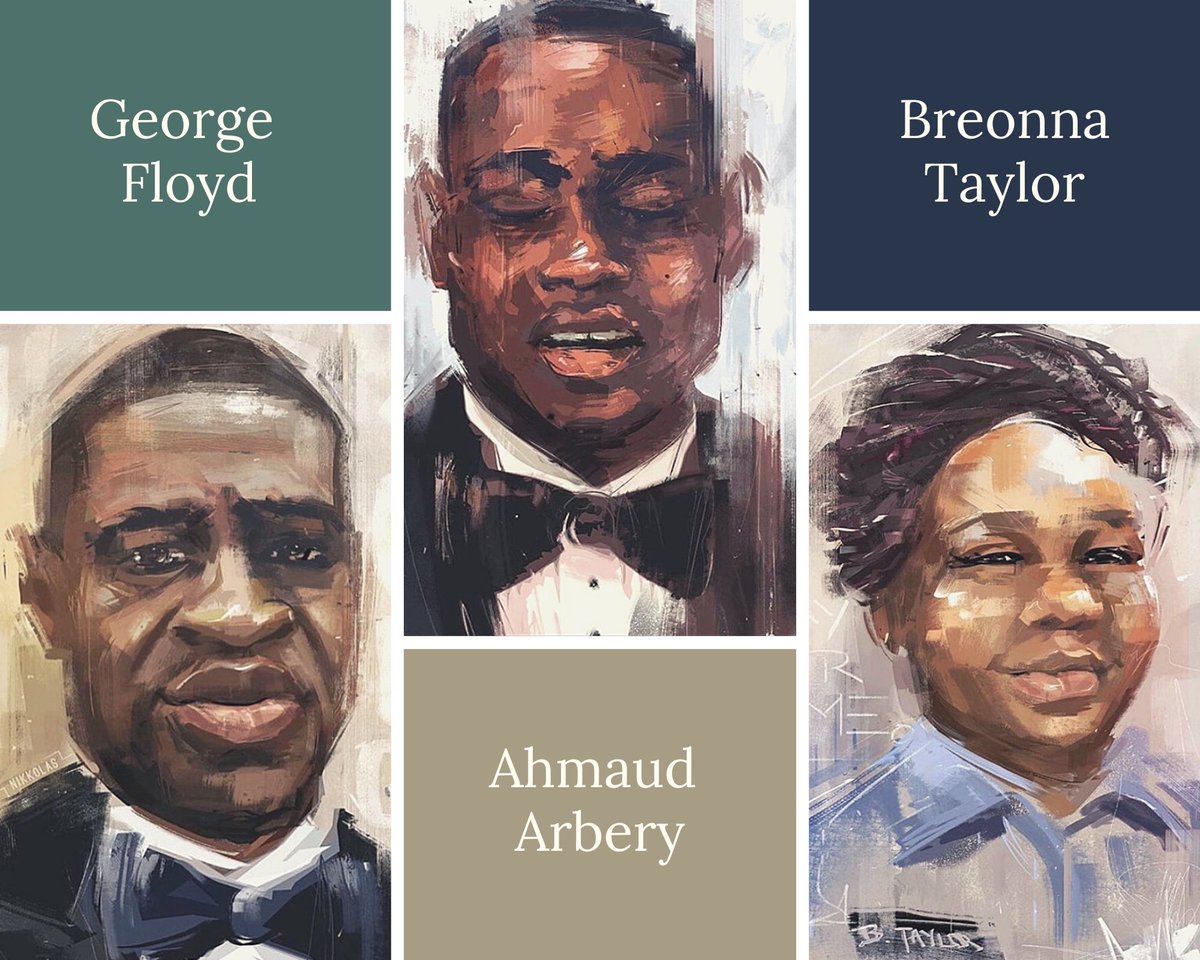
I’ve always thought for me to be a productive and successful activist I needed to be working for a big nonprofit organization or in some arena that has to do with education, mass incarceration, affordable housing, etc. This time in my life though has challenged that. When I was a teacher, I knew I was doing good work and impacting change in some capacity but I also felt very restricted in how I could advocate for my students. Having to follow strict pacing calendars and meet state evaluation standards got in the way of the teacher I wanted to be for my students. On top of the job being exhausting, I was often left with little energy to focus and speak up on important issues.
Yet here I am in this job with the time and space to challenge individuals that do not look or think like me, an opportunity I haven’t been able to capitalize on in a while. Which brings me to my point that you don’t have to have the obvious title that says you are doing anti-racist work. Anti-racist work can be done every day in every job. It’s what you choose to make it and how you decide to show up. It takes creativity but here are some questions that I can offer: What conversations could be had and who could you be having them with? How can you support Black people around you? What systems are you challenging?
I recently took the risk of starting the conversation about race in a couple of different spaces and was amazingly surprised by the response. You have to start somewhere. Of course, in a capacity you can sustain because your wellbeing and self-preservation are most important. For my Black readers, it is not our sole responsibility to do the heavy lifting of educating white people and others. Go about that in whichever way you choose. But white people, do not expect this work to just be done for you.
 Real and True